
Crystal Pier Surf Forecast
BREAK TYPE
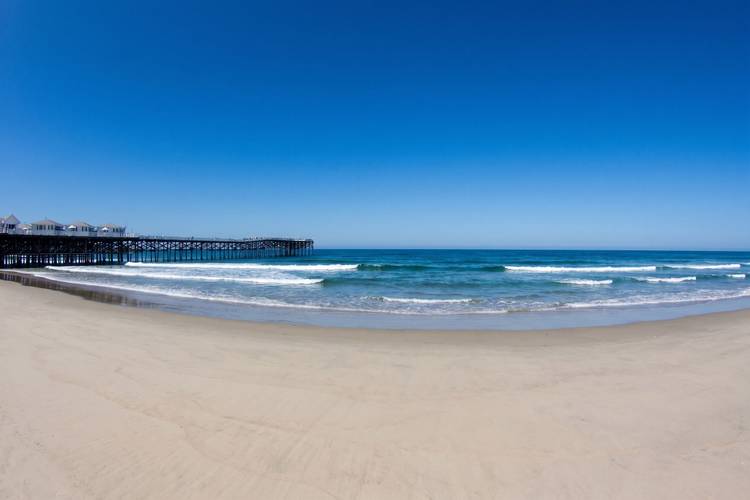
Beach break around the iconic Crystal Pier in Pacific Beach.
GOOD FOR
Sandy bottom peaks wedge off the north side of the pier, where a punchy left often peels toward the beach and occasional rights swing the other way. Waist to head high is the sweet spot, steeper and shorter than most Pacific Beach banks, so quick shortboard turns pay off. Confident intermediates handle it on smaller mornings, and it sharpens up nicely when a solid west or NW pulse arrives.
BOARD RECOMMENDATIONS

WORKS BEST WITH
- Swell Direction
- SW W NW S
- Wind
- E NE SE
- Tide
- Mid
WHEN IT WORKS
Exposure catches west, northwest, and southwest swell, so the bank turns on across most of the calendar. Fall usually delivers the cleanest combo of warm water, lighter crowds, and overlapping NW and SW pulses. Dawn brings the offshore or glassy window before afternoon onshores fill in, and a medium to high tide typically shapes the peaks best, with a falling push also working.
AVERAGE CROWD FACTOR
- Weekdays
- Mellow
- Weekends
- Packed
WHAT TO KNOW
The bottom is all sand and the north side is the only legal surf zone, since the south side is roped off for swimmers. Rip currents form along the pilings on bigger days, and a wayward wave can push a board straight into the wood, so keep a buffer off the structure. Crowds swell with any real pulse, and summer packs the water with beginners from the nearby surf schools.
GETTING THERE

Garnet Avenue runs straight to the pier, with metered spots along Ocean Boulevard, a small pay lot near Grand, and free side-street parking on Hornblend, Reed, or Law Street a few blocks inland. The boardwalk drops onto sand in seconds. Restrooms, outdoor showers, and a bait shop sit at the pier base, and the Law Street stairs offer a quieter approach from the north.